Is the Arctic route good for container ships? – level 3
25-08-2026 07:00
Global shipping companies are actively searching for alternative routes due to ongoing disruptions in traditional choke points like the Red Sea, Suez Canal, and Panama Canal.
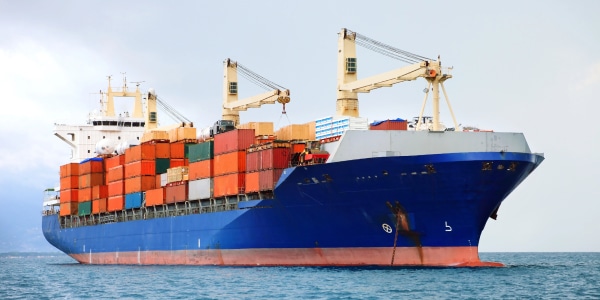
A South Korean container ship recently departed from Busan bound for Europe via the Arctic’s Northern Sea Route to test its commercial viability.
While the Arctic route offers significantly shorter sailing distances between Asia and Europe, experts are skeptical about its long-term commercial success for containerized goods. Navigating these icy northern waters presents extreme operational challenges, including very narrow summer windows, required ice-strengthened hulls, expensive icebreaker support, and high insurance demands.
Furthermore, heavy reliance on Russian territorial permission, nuclear icebreakers, and geopolitical sanctions creates massive hurdles for Western firms. Consequently, analysts emphasize that increased Arctic maritime traffic primarily benefits trade cooperation between Russia and China, rather than providing a widespread solution for Western European supply chains.
Difficult words: choke point (a narrow, important place or water passage where movement can be easily blocked or slowed down), viability (the ability of a business idea or plan to work successfully and make a profit), hull (the main outer body or metal frame of a ship that floats in the water).
You can watch the video news lower on this page.
What operational and geopolitical challenges mentioned in the text limit the Northern Sea Route's commercial viability for containerized goods, and why is increased Arctic maritime traffic said to primarily benefit trade cooperation between Russia and China rather than Western European supply chains?
LEARN 3000 WORDS with NEWS IN LEVELS
News in Levels is designed to teach you 3000 words in English. Please follow the instructions
below.
How to improve your English with News in Levels:

Test
- Do the test at Test Languages.
- Go to your level. Go to Level 1 if you know 1-1000 words. Go to Level 2 if you know 1000-2000 words. Go to Level 3 if you know 2000-3000 words.

Reading
- Read two news articles every day.
- Read the news articles from the day before and check if you remember all new words.

Listening
- Listen to the news from today and read the text at the same time.
- Listen to the news from today without reading the text.

Writing
- Answer the question under today’s news and write the answer in the comments.

Speaking
- Choose one person from our Conversation section.
- Talk with this person. You can answer questions from Speak in Levels.
Stock images by Depositphotos