Why our memories of 9/11 change – level 3

14-09-2026 15:00
A flashbulb memory is a vivid recollection of learning about a major, highly emotional public event, such as the September 11 terror attacks. Although people feel absolute confidence in these memories, research shows they are not entirely accurate.
Memories are dynamic; each time a person retrieves one, the hippocampus updates it with new information from media or conversations. In fact, studies reveal that people alter roughly 40 percent of their personal details within a year. Unlike regular memories, emotional events activate the amygdala, which focuses attention and embeds the experience more strongly. These memories also strengthen social connection, because they create a shared sense of identity among groups.
Even prominent figures, including President George W. Bush, have famously mixed up the timeline of how they learned about the 9/11 attacks due to repeated exposure to news footage. Because modern media is highly fragmented, widespread flashbulb memories shared by whole nations may become less common in the future.
Difficult words: vivid (producing very clear, detailed, and bright pictures in your mind), dynamic (constantly changing, active, or developing rather than staying the same), retrieve (to find and bring back information from memory or storage), embed (to fix something firmly and deeply into something else).
You can watch the video news lower on this page.
How does the hippocampus update flashbulb memories with new information, what percentage of personal details do people typically alter within a year, and why might nationally shared flashbulb memories become less common in the future?
LEARN 3000 WORDS with NEWS IN LEVELS
News in Levels is designed to teach you 3000 words in English. Please follow the instructions
below.
How to improve your English with News in Levels:

Test
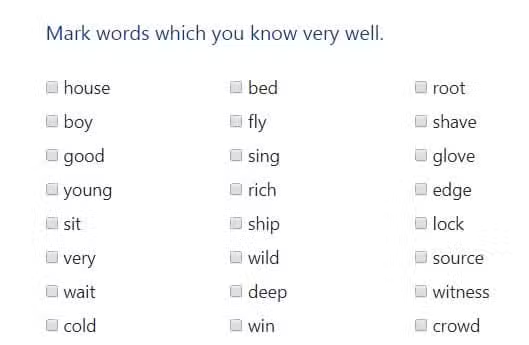
- Do the test at Test Languages.
- Go to your level. Go to Level 1 if you know 1-1000 words. Go to Level 2 if you know 1000-2000 words. Go to Level 3 if you know 2000-3000 words.

Reading
- Read two news articles every day.
- Read the news articles from the day before and check if you remember all new words.

Listening
- Listen to the news from today and read the text at the same time.
- Listen to the news from today without reading the text.

Writing
- Answer the question under today’s news and write the answer in the comments.

Speaking
- Choose one person from our Conversation section.
- Talk with this person. You can answer questions from Speak in Levels.
Stock images by Depositphotos